
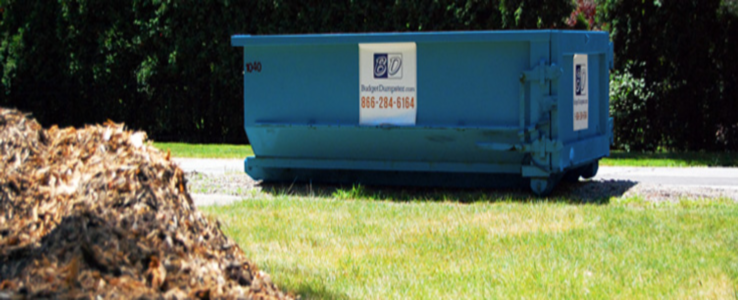
The benefits of a dumpster rental for cleaning up your yard
Hiring a dumpster from a dumpster rental franchise can be a good idea if you have lots of leaves and other organic waste you need to get rid of. If you own a large yard, there might be enough garden waste and cut branches to fill a dumpster. When you rent one, it is delivered and then taken away when you are done. The cost is paid only for the time it is here.
Benefits include the convenience of only having to do the heavy lifting once, since you fill up the dumpster. This can save you money if you don’t have many helpers to help you move heavy waste. You also don’t have to spend time on weekends, because your dumpster can be dropped off on weekdays.
If you’re doing a lot of renovations and have a lot of garbage junk to get rid of, then you might want to consider renting a dumpster. Dumpster rental companies often have policies that require a certain amount of time the dumpster can be out on your property. It’s a good idea to make sure that you check out the terms and conditions of your rental before you sign anything. You want to make sure that you don’t end up with a large fine for leaving it out for longer than you were supposed to.
What is included in dumpster rental services
Content creation is one of the most important parts of any good business. When people are looking for your products online, they’re going to want to know what they’re getting into. If your content is lacking, people will skip over you for your competitors who provide better detail.
Our content team can create content to help you display your product in the best light possible. Most services start off with a consultation to understand your business and goals. We’ll work closely with you to create copy that will appeal to your audience and lead them to your store. We also create blog posts for your business blog and lifestyle posts for social media.
How a dumpster rental can save you from the hassles
Dumpster rental is a service that provides you a place to throw away all the trash in your home renovation. This service is a relief for those who do not have enough room for garbage. It is also beneficial for long-term projects.
Dumpster rental services are flexible and you can use it according to your needs. This service is cost-effective. These services are available to you at affordable prices. You can hire a dumpster for multiple days or weeks. It is a beneficial service to have as you can throw away all the trash with ease.
If you’ve had your share of experiences with the garbage collection services, then you might want to consider getting yourself a dumpster. Getting a dumpster is the best way to protect your home from those pesky bugs and rodents. As a homeowner, you probably have many responsibilities to fulfill. The last thing you need is to be worrying about the cleanliness of your house. It’s also good for your budget. You can save more money by taking up the responsibility of managing it all by yourself.
Tips to rent a dumpster for your yard cleaning
When you’re preparing to start remodeling or doing work around your house, one thing you can do to make it easier and help ensure your safety is to rent a dumpster. Here are some tips to help you know what kind of dumpster to rent for your job and then how to rent it.
First, the type of dumpster you rent depends on how much waste you will generate. If you are just doing some landscaping and painting, you can likely get away with renting a small dumpster or trash can. If you’re planning to take out a large tree or tearing down a shed, you’ll need a larger dumpster.
Why it is a good idea to use a dumpster for your yard cleaning
When you want to clean out your yard, you can feel overwhelmed by how much there is to do. One way to get the job done faster, is to use a dumpster. Before you get started, however, it’s important to call a rental company and explain what you want. You don’t need to have too much experience with dumpsters, but you will need to know some basic information about what size you need and how you want it handled.
If you are using a dumpster for yard cleaning, you will probably want to opt for a dumpster that has a door on the front. This will make things easier when you want to throw things in. You’ll want to make sure that if you are using the dumpster for yard cleaning, you can easily get it to your yard, or wherever you are cleaning.
Tips for picking a dumpster
It’s important to choose a dumpster that has a door that doesn’t leak, and a door that locks. Also, you want to make sure that the dumpster is easy to pick up, otherwise you will have to go to a different location and that could be annoying.
A good place to find a dumpster is at a nearby waste management facility. Go to one in your region and ask the people working there where the best dumpster is on the property. Remember to look for the words “dumpster” or “trash container” on it. The best ones are usually yellow or orange so they stand out against the other trash cans.
 The mere thought of DIY home improvement may have you shaking in your boots.
  We will cover all aspects of a real estate investment in the United States so that you can make an informed decision on the subject and especially understand why investing in real estate in the United States is a great idea and how to do it in a secure context.
 Often people use the terms real estate agent and realtor interchangeably. However, these two professions are not exactly alike. Although the two require a license to be able to sell real estate properties, realtors are set apart as they are members of the
  Selling any property is difficult because one has to find the right sort of takers, negotiate on the right kind of price and engage in lengthy paperwork.
  The real estate industry is one of the major sectors in Hong Kong and it plays an important role in the economic development of the country. There is a growing demand of both residential and commercial properties and this demand is intensifying following the increasing population, formation of new businesses and increasing purchasing power by the consumers.
 Enough to fall on the mat. Forget the over priced gold futon in uptown Tokyo. A Japanese town is trying to attract new inhabitants to the city with an unbeatable price: 1,20 euro per square meter!
  The French real estate market seems to have frozen at the approach of winter. Over the past year, the number of sales has fallen sharply. After a rebound in late 2011 due to the anticipation of tightening of the taxation on real estate profits and the announcement of the demise of the zero loan in the second-hand market, the volume of transactions decreases inexorably.